Get Gas Line Installation
Gas line installation services help property owners safely set up or upgrade natural gas lines for appliances, heating systems, and outdoor projects by connecting with experienced local contractors.
If you are considering installing a gas line on your property, you are in the right place to explore your options. Proper planning and understanding the scope of the work are essential steps for property owners looking to enhance their homes or businesses with reliable gas service. Comparing local contractors can help ensure that the project meets your needs and aligns with your property’s specifications, giving you confidence in the choices you make.
Connecting with experienced service providers in your area can make the process smoother and more efficient. Whether you're expanding your kitchen, adding a new appliance, or upgrading your existing gas system, working with local contractors who specialize in gas line installation can provide valuable insights and tailored solutions. Keep reading to learn more about how to find qualified professionals nearby to support your project.
- Gas Line Installation - when adding a new gas appliance or upgrading existing connections.
- Gas Line Repair - if there are leaks, corrosion, or damages affecting gas flow safety.
- Gas Line Replacement - for outdated or deteriorated piping that needs to be upgraded.
- Gas Line Inspection - to ensure existing systems meet safety standards and function properly.
- Gas Line Extension - when expanding a property or rerouting gas lines to new areas.
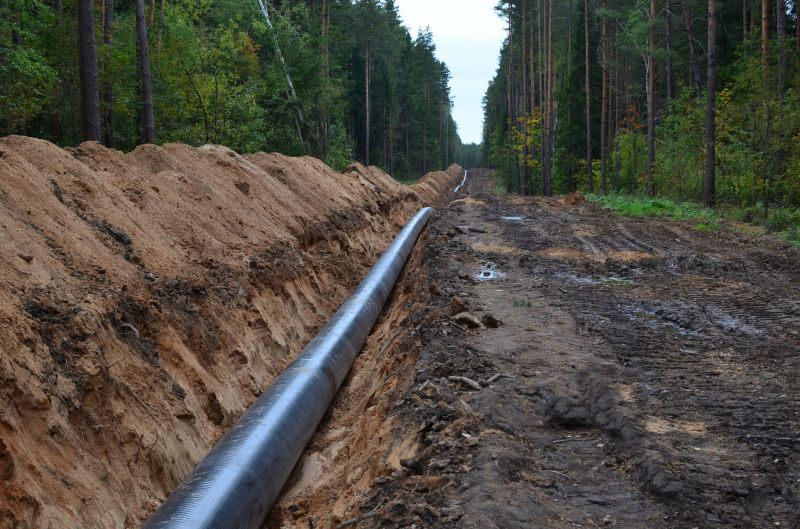
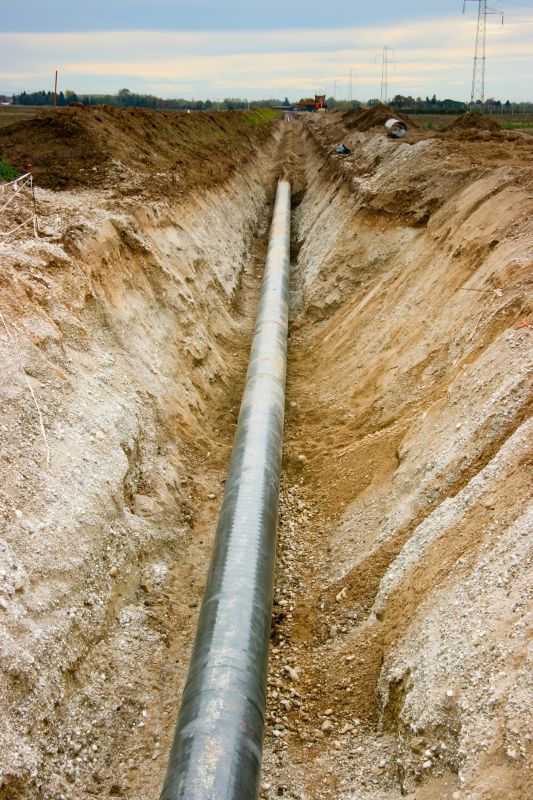
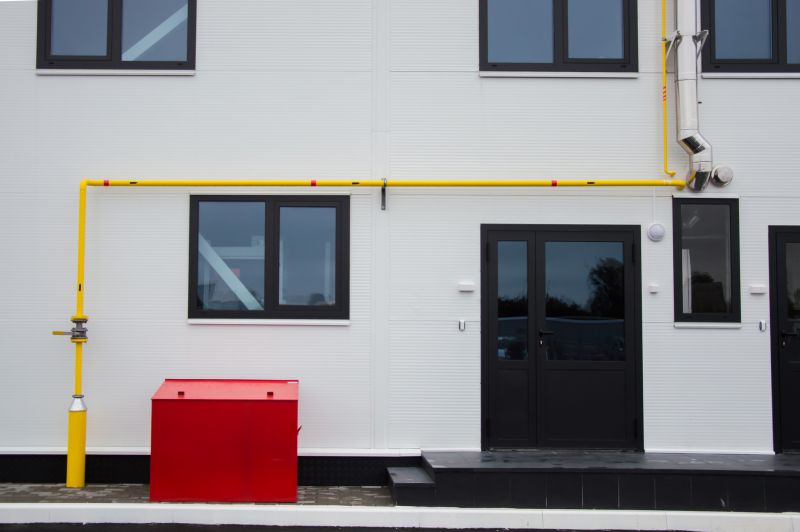
Gas line installation services involve setting up the piping system that supplies natural gas or propane to a property. This process includes planning the most efficient route, digging trenches where necessary, and securely installing the gas lines to ensure reliable delivery. Experienced service providers handle all aspects of the installation to meet safety standards and local codes, providing homeowners with a safe and functional gas supply for appliances such as stoves, water heaters, fireplaces, and outdoor grills.
These services help address common problems such as outdated or damaged gas lines, which can lead to leaks, inconsistent appliance performance, or safety hazards. Installing new or upgraded gas lines can improve the safety and efficiency of a property’s gas-powered systems. Whether a homeowner is building a new property, remodeling an existing space, or replacing aging infrastructure, professional gas line installation ensures that the gas supply is set up correctly and safely from the start.
Gas line installation is often necessary in a variety of properties, including single-family homes, multi-family residences, and commercial buildings. Homes that rely on gas for heating, cooking, or hot water frequently require new lines or upgrades when undergoing renovations or expansions. Additionally, outdoor spaces with gas grills, fire pits, or outdoor kitchens may need dedicated gas lines installed to support these features. Local contractors can assess the specific needs of each property and provide tailored solutions to ensure a safe and reliable gas supply.
Homeowners should consider gas line installation services when experiencing issues such as gas leaks, inconsistent appliance operation, or planning new gas-powered features. Proper installation can prevent potential hazards and improve the overall functionality of a property’s gas systems. By working with experienced service providers, property owners can ensure that their gas lines are installed correctly, safely, and in compliance with local regulations, providing peace of mind and dependable service for years to come.
The overview below groups typical Gas Line Installation projects into broad ranges so you can see how smaller, mid-sized, and larger jobs often compare in your area.
In many markets, a large share of routine jobs stays in the lower and middle ranges, while only a smaller percentage of projects moves into the highest bands when the work is more complex or site conditions are harder than average.
Smaller Repairs - Typical costs for minor gas line repairs or leak fixes usually range from $250 to $600. Many routine jobs fall within this middle range, depending on the complexity of the issue and accessibility.
Line Extensions - Extending existing gas lines for appliances or outdoor setups often costs between $1,000 and $3,000. Larger projects that involve longer runs or additional permits can push costs higher but are less common.
Full Replacement - Replacing an entire gas line system can range from $3,500 to $7,000 or more, especially for older infrastructure or extensive renovations. Many projects stay within the lower to mid parts of this range, with fewer reaching the highest tiers.
Complex or Custom Installations - Custom or highly complex gas line installations, such as for large commercial properties, can exceed $10,000. These are typically specialized projects that are less frequent but require detailed planning and execution.
Actual totals will depend on details like access to the work area, the scope of the project, and the materials selected, so use these as general starting points rather than exact figures.
Natural Gas Line Installation - local contractors can handle the installation of natural gas lines for appliances, heating systems, or outdoor utilities using similar planning and piping skills.
Propane Line Setup - professionals experienced in gas line installation can also set up propane lines for outdoor grills, heaters, or backup systems, requiring careful planning and safety measures.
Gas Appliance Hookup - connecting appliances such as water heaters, stoves, or fireplaces involves similar skills in piping, fitting, and ensuring proper gas flow from existing lines.
Indoor Piping Systems - installing or repairing indoor gas piping for residential or commercial properties shares techniques related to planning, piping, and safety compliance.
Outdoor Gas Line Extensions - extending existing gas lines to new outdoor features like fire pits or lighting involves similar routing, trenching, and fitting skills.
HVAC Gas Line Connections - connecting gas lines to heating, ventilation, and air conditioning systems requires comparable planning, piping, and safety considerations.
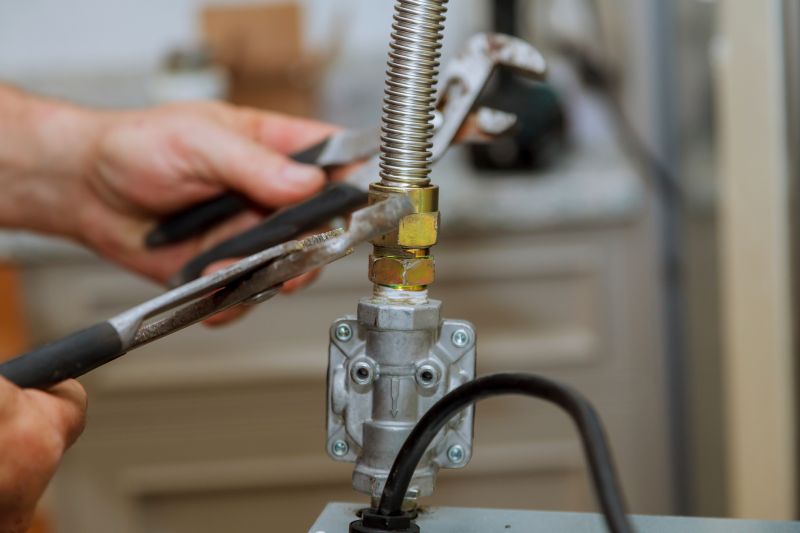
When evaluating potential service providers for gas line installation, it’s important to consider their experience with similar projects. Homeowners should look for local contractors who have a proven track record of completing gas line work comparable to the scope of their project. Asking about previous jobs can help gauge their familiarity with the specific requirements and challenges associated with gas line installation, ensuring that the chosen professionals are well-equipped to handle the task efficiently and safely.
Clear written expectations are essential to establishing a smooth working relationship. Homeowners should seek out local pros who can provide detailed estimates, scope of work, and project timelines in writing. This transparency helps prevent misunderstandings and ensures that everyone is aligned on the project’s goals and deliverables. Well-documented expectations also serve as a reference point throughout the process, making it easier to address any questions or concerns that may arise.
Good communication and reputable references are key indicators of trustworthy local contractors. Homeowners are encouraged to inquire about references from previous clients who had similar projects completed. Reliable service providers will be willing to share contact information or testimonials that attest to their professionalism, quality of work, and reliability. Consistent, clear communication during the inquiry process can also reveal how well a contractor listens, responds promptly, and keeps clients informed-all qualities that contribute to a successful project experience.
Property owners use Gas Line Installation services for practical projects around their homes and businesses. This guide focuses on everyday jobs and straightforward project options.
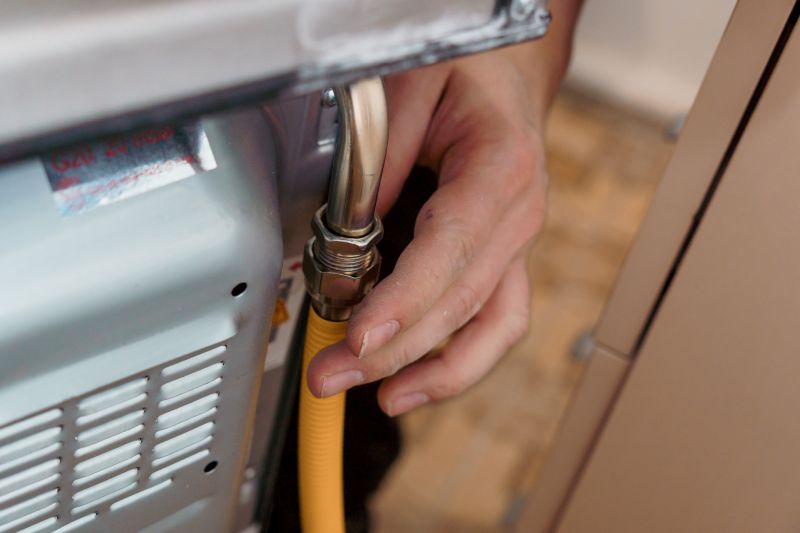
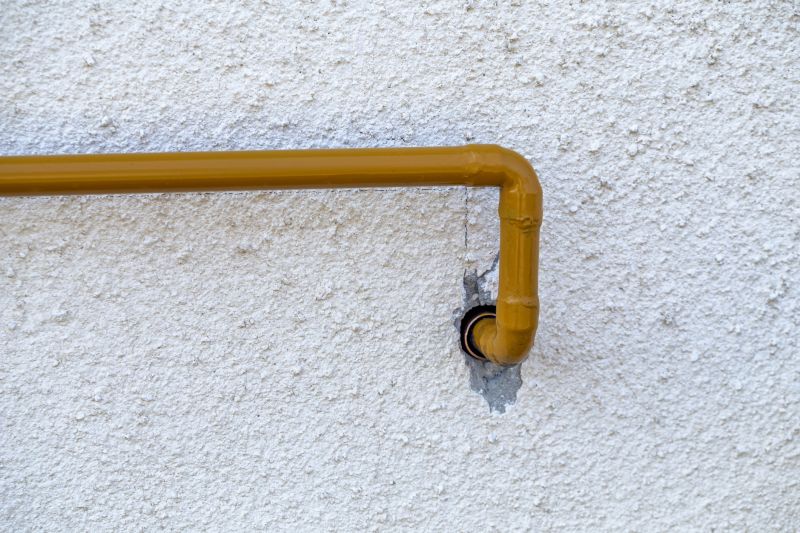
Gas line installation is a common need for property owners looking to add or upgrade natural gas appliances, such as water heaters, fireplaces, or outdoor grills. Homeowners might seek these services when constructing a new property, renovating an existing space, or replacing outdated piping to ensure safety and efficiency. Local contractors can handle these projects, providing the expertise needed to properly install gas lines that meet safety standards and support the appliances that make daily life more convenient.
In many cases, property owners turn to local service providers when experiencing issues like leaks, low pressure, or the need for new connections for additional appliances. Whether installing a new gas line for a kitchen upgrade or extending existing piping to outdoor areas, local pros are equipped to assess the property, plan the best approach, and execute the work reliably. Connecting with experienced contractors can help ensure the job is done correctly and safely, supporting the property's functionality and value.
What is involved in gas line installation? Gas line installation typically includes planning the route, obtaining necessary permits, and connecting the gas supply to appliances or systems. Local service providers handle the process from start to finish, ensuring proper connection and safety standards.
Can existing gas lines be upgraded or extended? Yes, many local contractors offer services to upgrade or extend existing gas lines to accommodate new appliances or improve system capacity. They assess the current setup and perform the necessary modifications.
What safety considerations are part of gas line installation? Safety considerations include proper material selection, secure connections, leak testing, and adherence to local codes. Service providers focus on ensuring the gas system is safe and reliable after installation.
Is it possible to install gas lines in new construction projects? Yes, local contractors can handle gas line installation for new construction, coordinating with other trades to ensure the system is integrated correctly from the start.
What types of appliances can be connected to a new gas line? A new gas line can supply various appliances such as stoves, water heaters, fireplaces, and outdoor grills, depending on the system's capacity and configuration.
New Gas Line Installation - Property owners can add gas lines to support outdoor grills, fire pits, or patio heaters for outdoor entertaining.
Kitchen Gas Line Upgrades - Homeowners may upgrade or extend existing gas lines to accommodate new appliances like stoves or ovens.
Garage or Workshop Gas Lines - Installing gas lines in garages or workshops can provide a reliable fuel source for heating or equipment.
Gas Line Repairs and Replacements - Managing leaks or outdated piping by hiring local contractors to ensure safe and efficient gas line functioning.
If you are thinking about Gas Line Installation for a property, this guide is meant to help you understand the work, the typical project types, and how different options might fit your plans.
When you are ready, you can use the quote form on this page to share a few details about your project. From there, local pros can review the basics and respond with options that match what you have in mind.